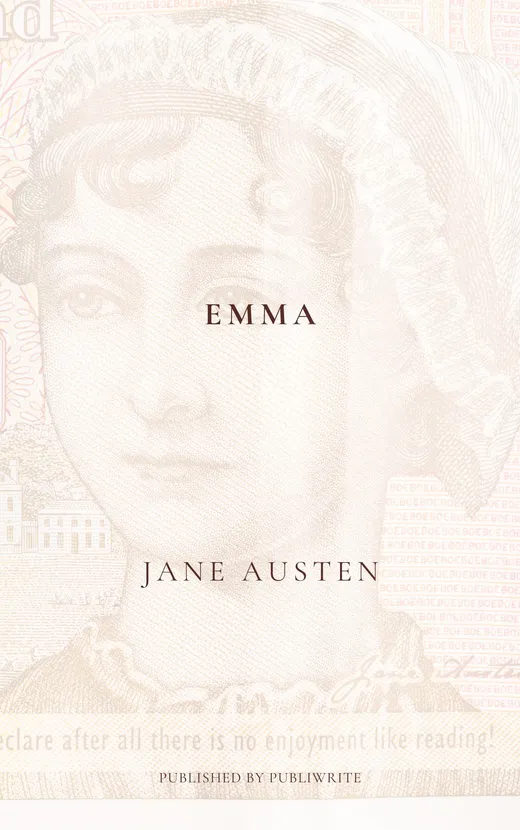
Emma by Jane Austen is a novel written in the early 19th century, during the Regency era. The story centers around Emma Woodhouse, a lively and privileged young woman who relishes playing matchmaker among her friends, particularly after her beloved governess, Miss Taylor, marries Mr. Weston. This transition leaves Emma feeling a sense of solitude and motivates her to engage in her matchmaking schemes, which often involve her friend Harriet Smith, who is somewhat less socially positioned. At the start of the narrative, readers are introduced to Emma's comfortable but somewhat sheltered life at Hartfield. The initial chapters outline Emma's reflections on her situation, her father Mr. Woodhouse's character, and her close bond with Miss Taylor, who has just married, leading to a poignant sense of loss for Emma. The opening portion establishes a contrast between Emma’s self-assured attitude and the potential consequences of her meddling, particularly as she begins to navigate her feelings towards Harriet and a potential match with young farmer Robert Martin. The dynamics of social class and the intricacies of relationships are evident, hinting at the complexities that will unfold as Emma's well-intentioned interventions may not yield the outcomes she anticipates.
Book details
About the author
JA
Jane Austen
Jane Austen (1775–1817) was an English novelist whose works are considered classics of English literature. Best known for novels such as Pride and Prejudice, Sense and Sensibility, and Emma, she skillfully depicted the lives and manners of the British gentry in the early 19th century. Her sharp wit, keen observations of social customs, and memorable characters have made her one of the most beloved authors in history. Austen's exploration of themes like love, class, and morality continues to resonate with readers today.